
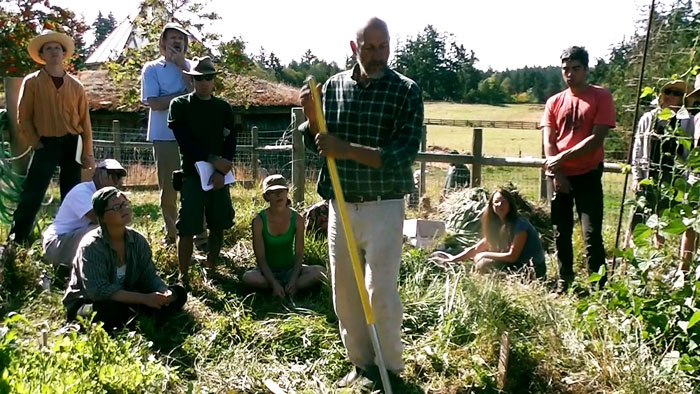
Our SARE funded Organic No-Till Workshop 2 – took place at Orcas Island High School as part of the San Juan Islands Ag Summit. Thanks to Candace and Peggy for inviting us and putting this huge event together.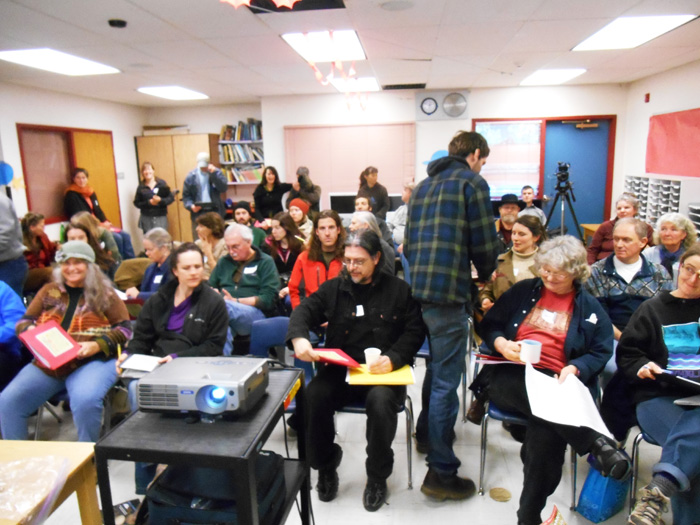 There couldn’t have been a better introduction to our workshop that keynote speaker David Montgomery who talked about the devastating effects of soil erosion caused by tillage.
Thanks to everyone who participated in this event… we think around 50 -60 people came. Its encouraging to see so much interest in organic no-till.
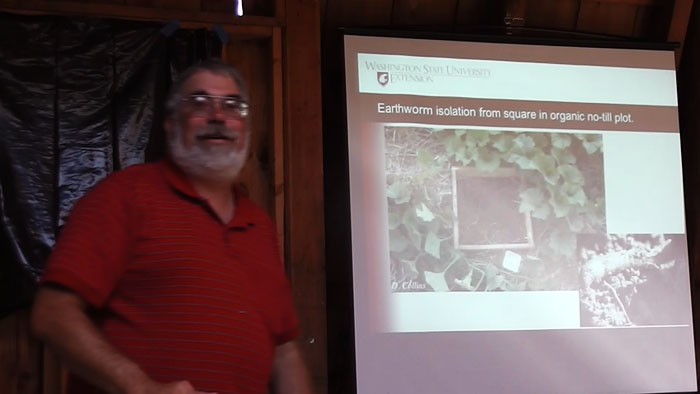
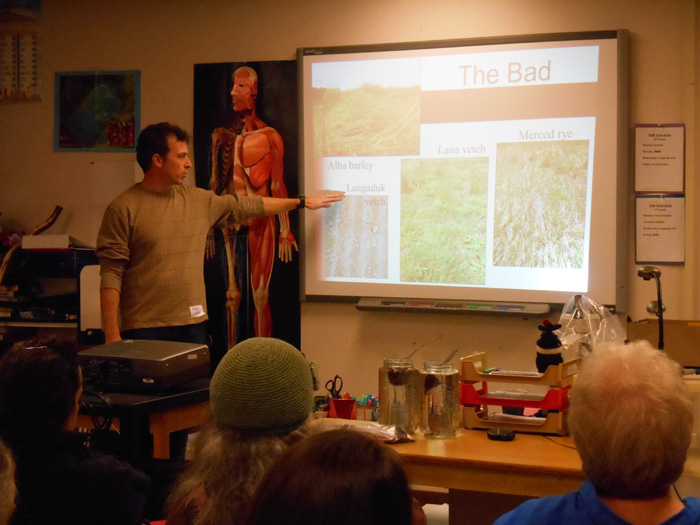 Doug Collins from WSU opened the workshop with presentation of research being done at Washington State University Extension. You can see more of it here: smallfarms.wsu.edu/soils-compost/research/organicnotill
 In our presentation we covered the science of maintaining healthy soils without tillage and then moved on to demonstrate practical applications for those wishing to transition to no-till. We used our SARE funded experiment as a case study and talked about some of our findings and conclusions.
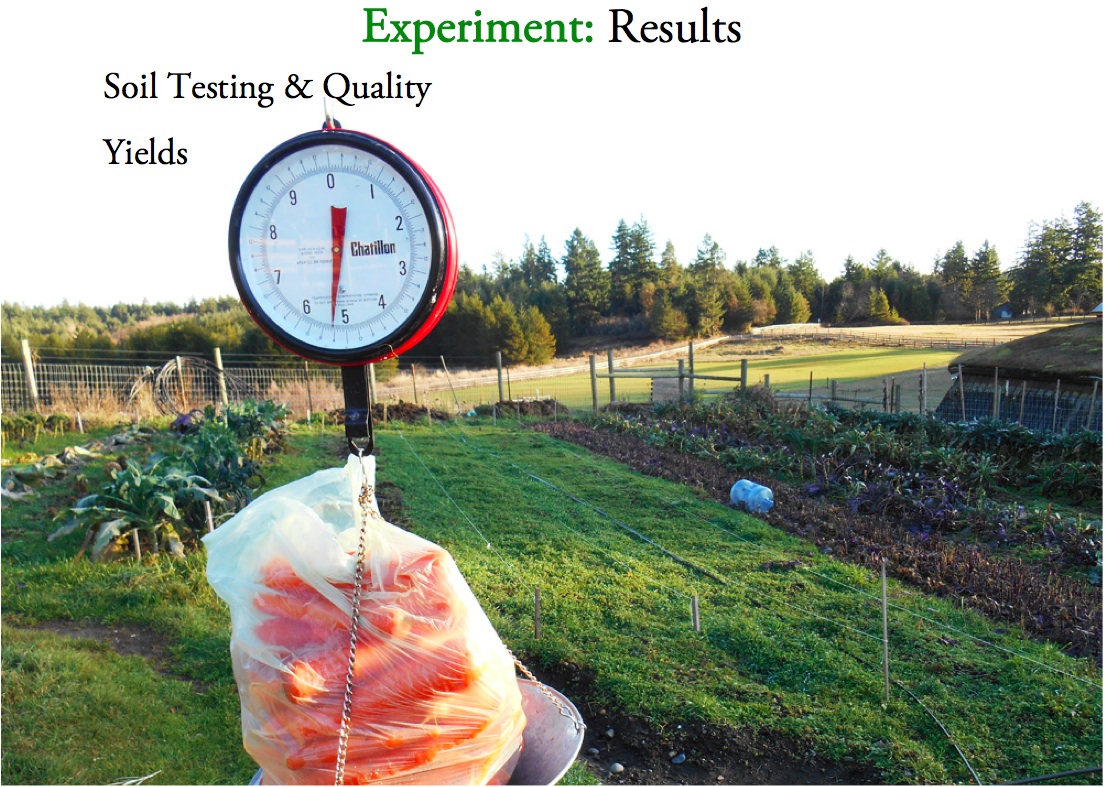 You can download a series of informative and visual pdfs to make up the entire powerpoint on the learn page.
“Thank You! Very beautiful and rich and generous presentation experience; very much appreciate the time and work that obviously went in. I feel enlightened.”
 Its time to take our last soil samples from the four experiment beds…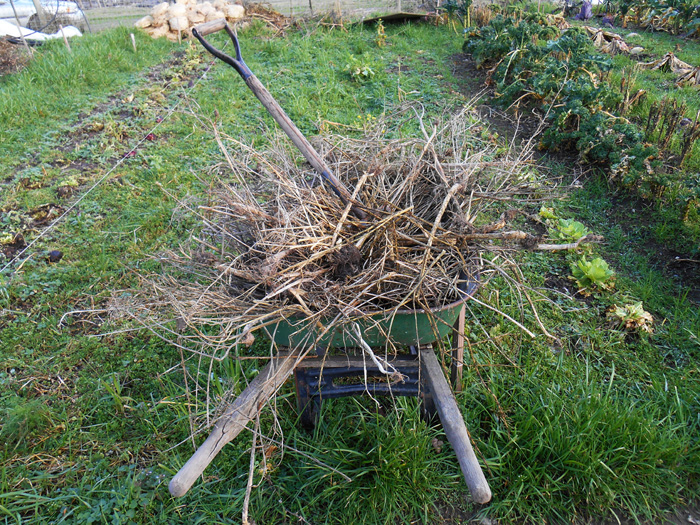





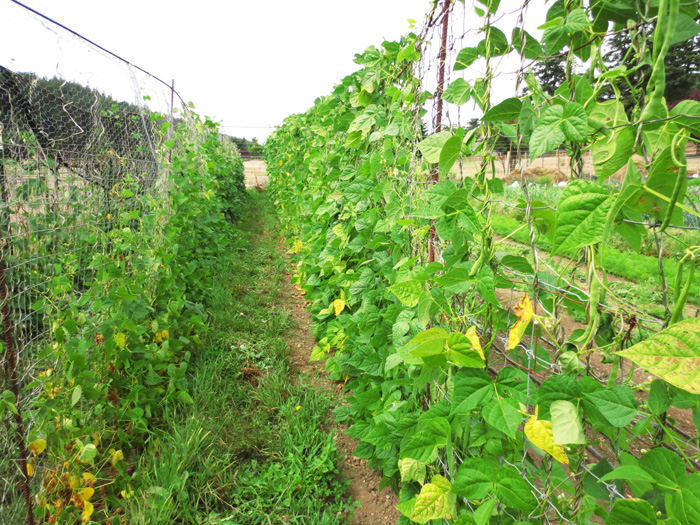
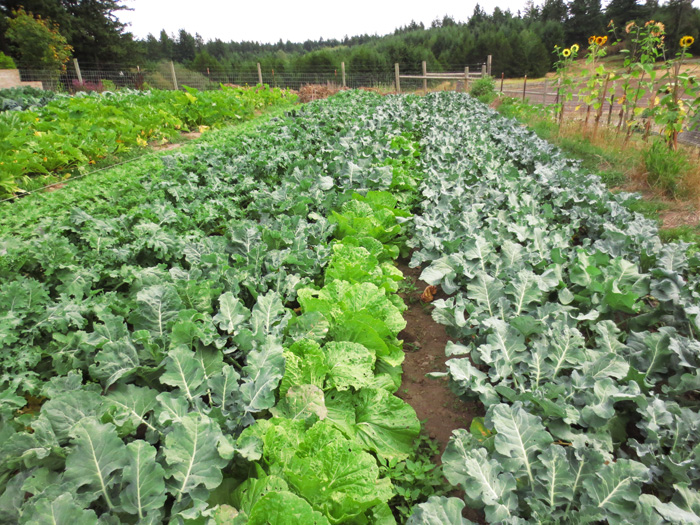

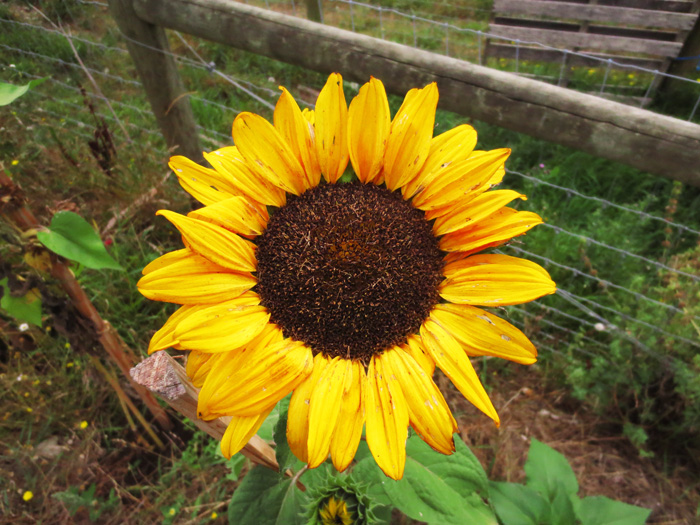
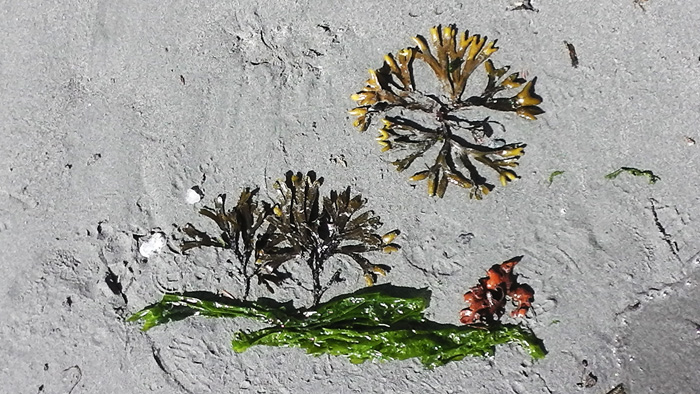
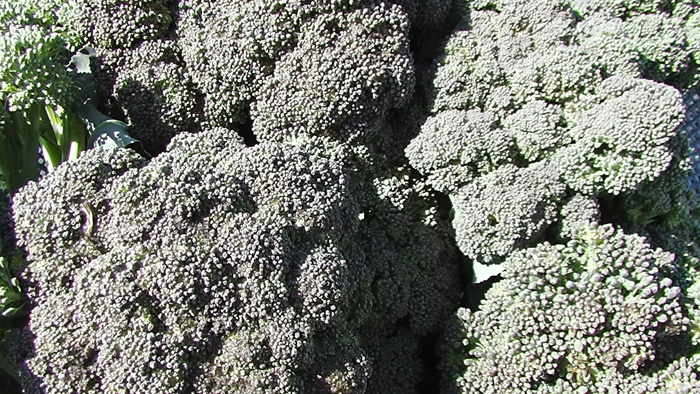
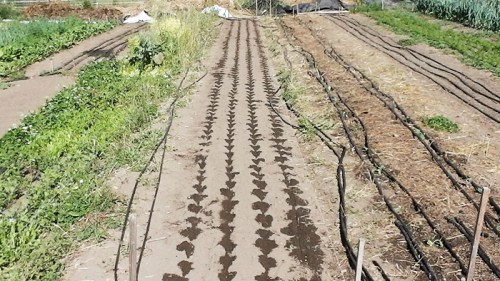 Moistening the soil first with drip tape, gives the seeds a better start.
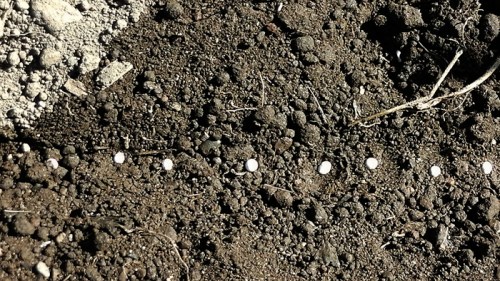 Once sown, we cover the seeds with a fine soil and compost mix and then place the drip tape over them until the tiny seedlings emerge.
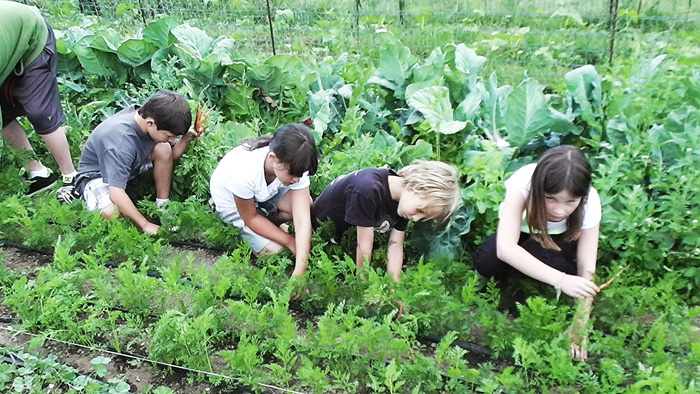
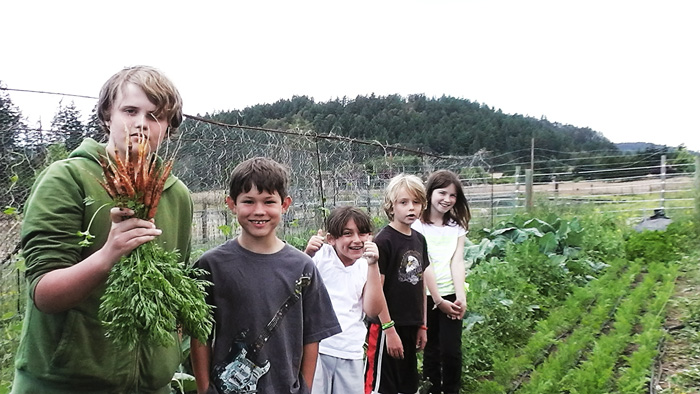


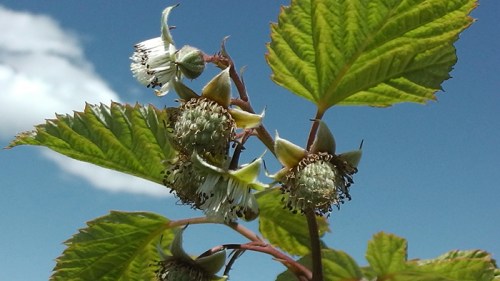 She also grows beautiful raspberries!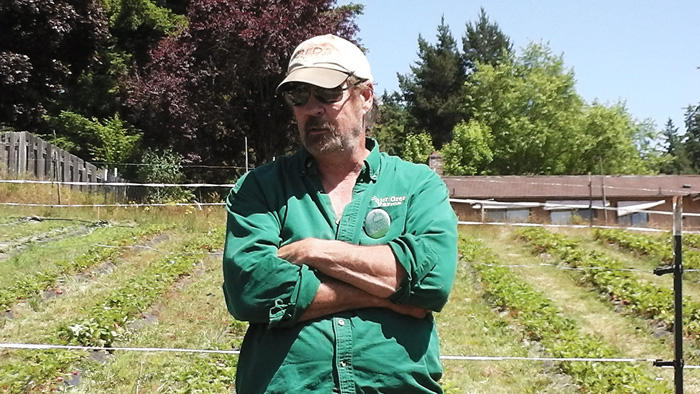
 We would love to work more collaboratively with the small farms on San Juan Island – a multi farm CSA cooperative, group buying of fertilizer, and sharing equipment for example… The Greenhorns have published a great resource on Farming Cooperatively:
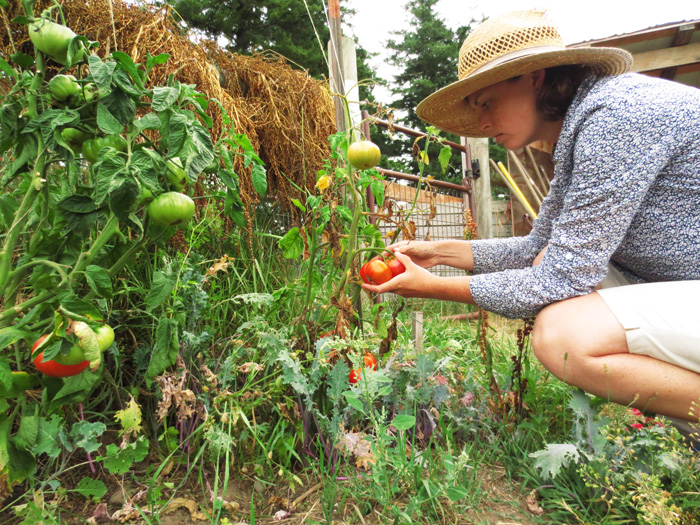
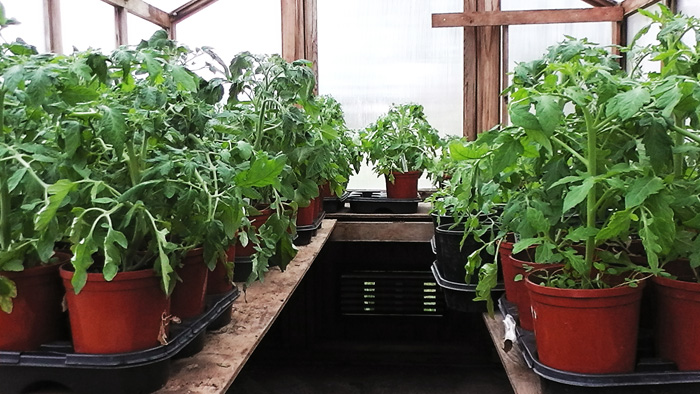
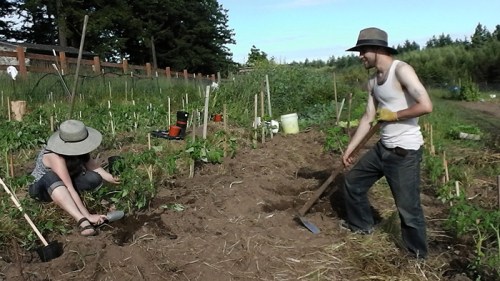 Back at our farm, new woofers Isaac and Sarah have been holding the fort. Getting the tomatoes planted and …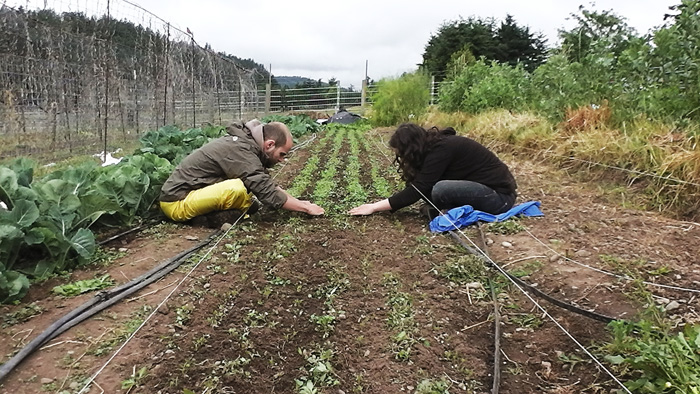
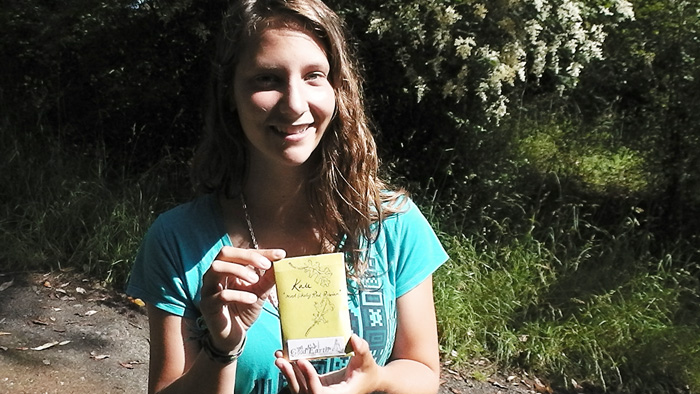
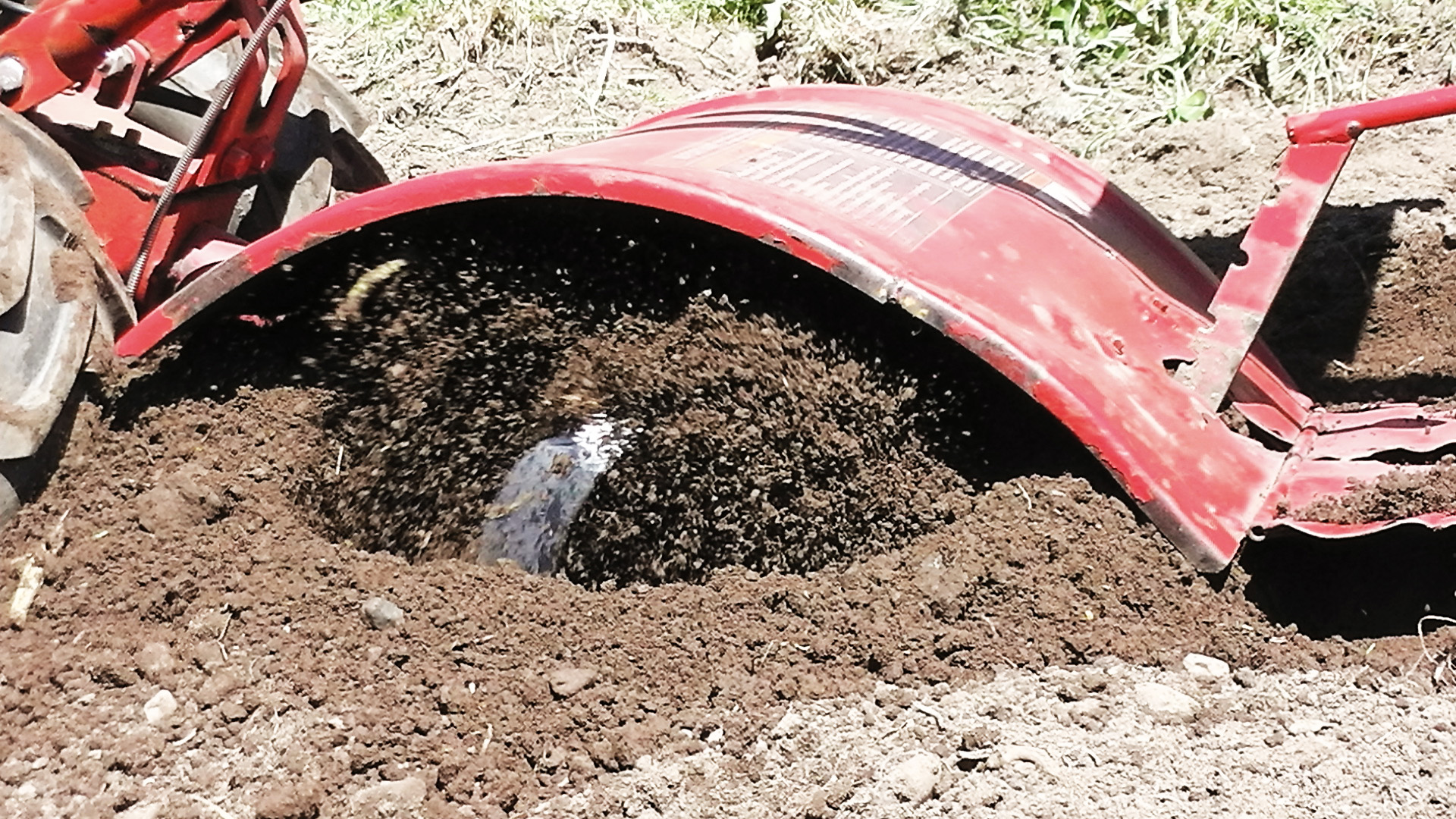
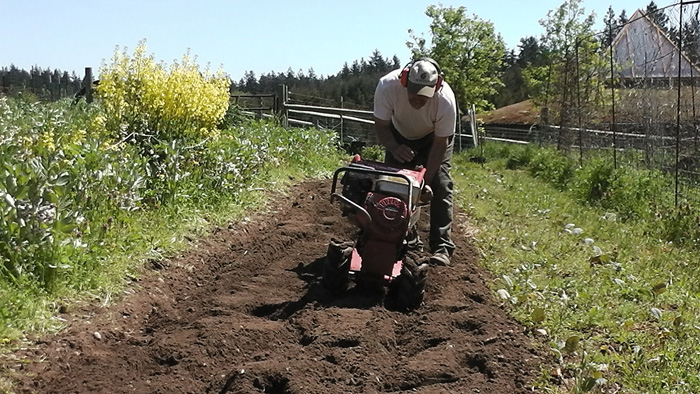
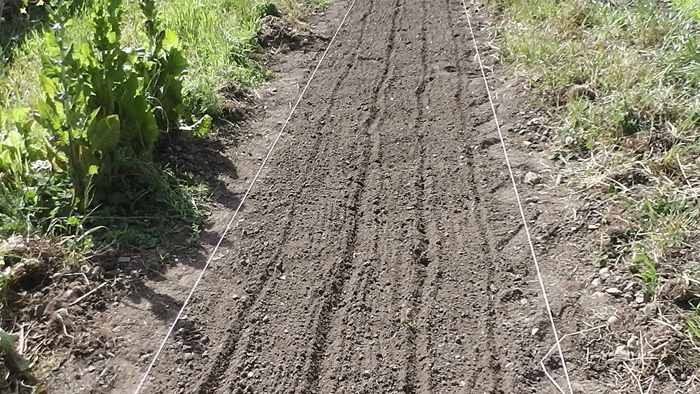
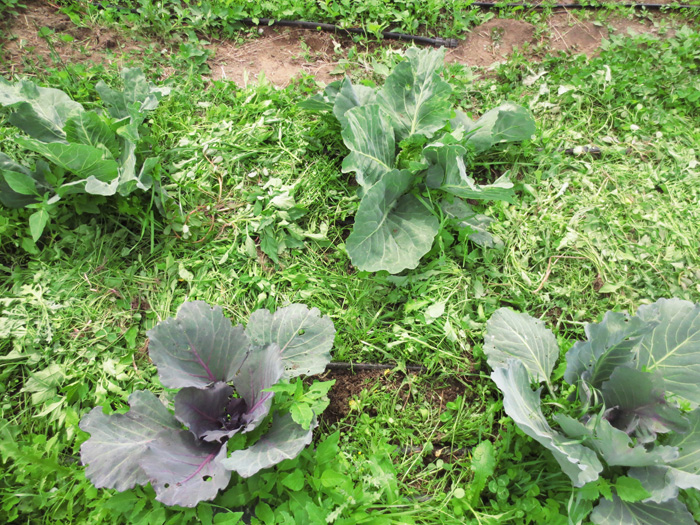
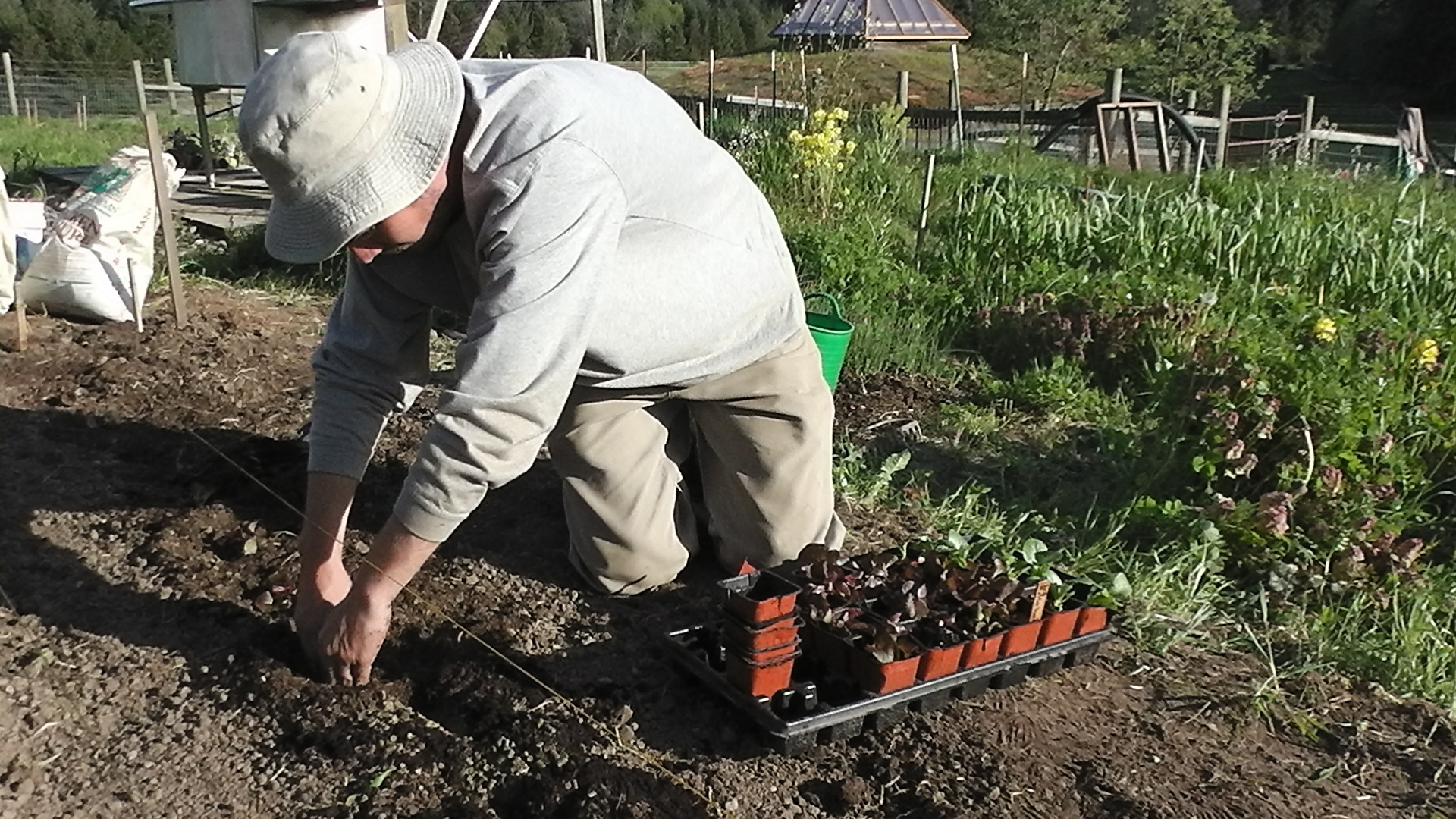
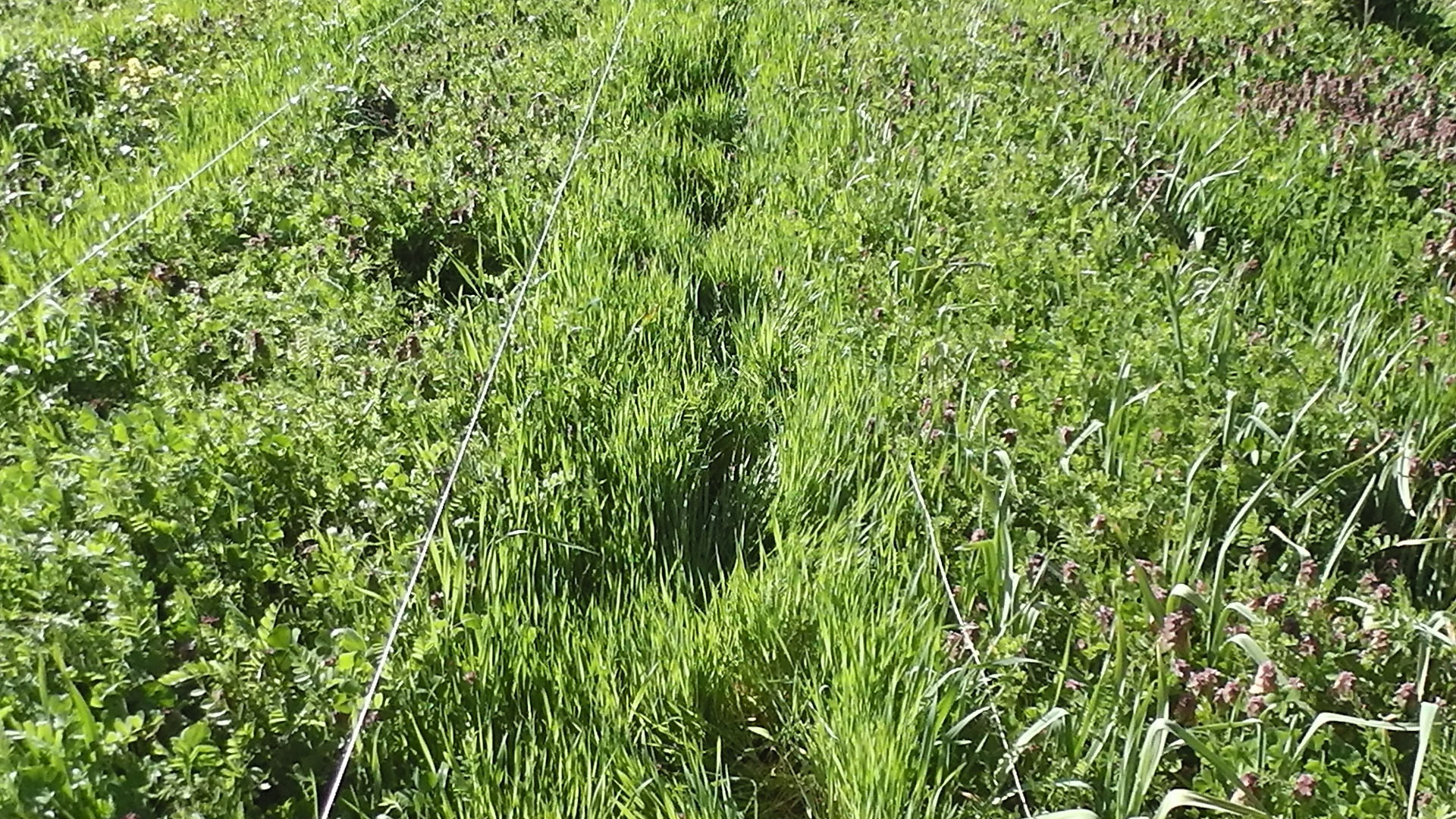
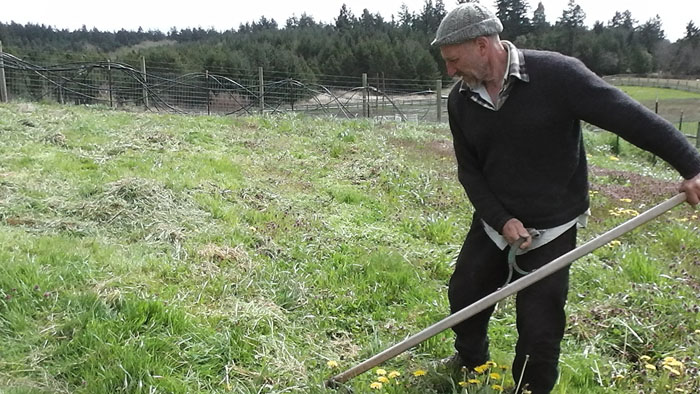
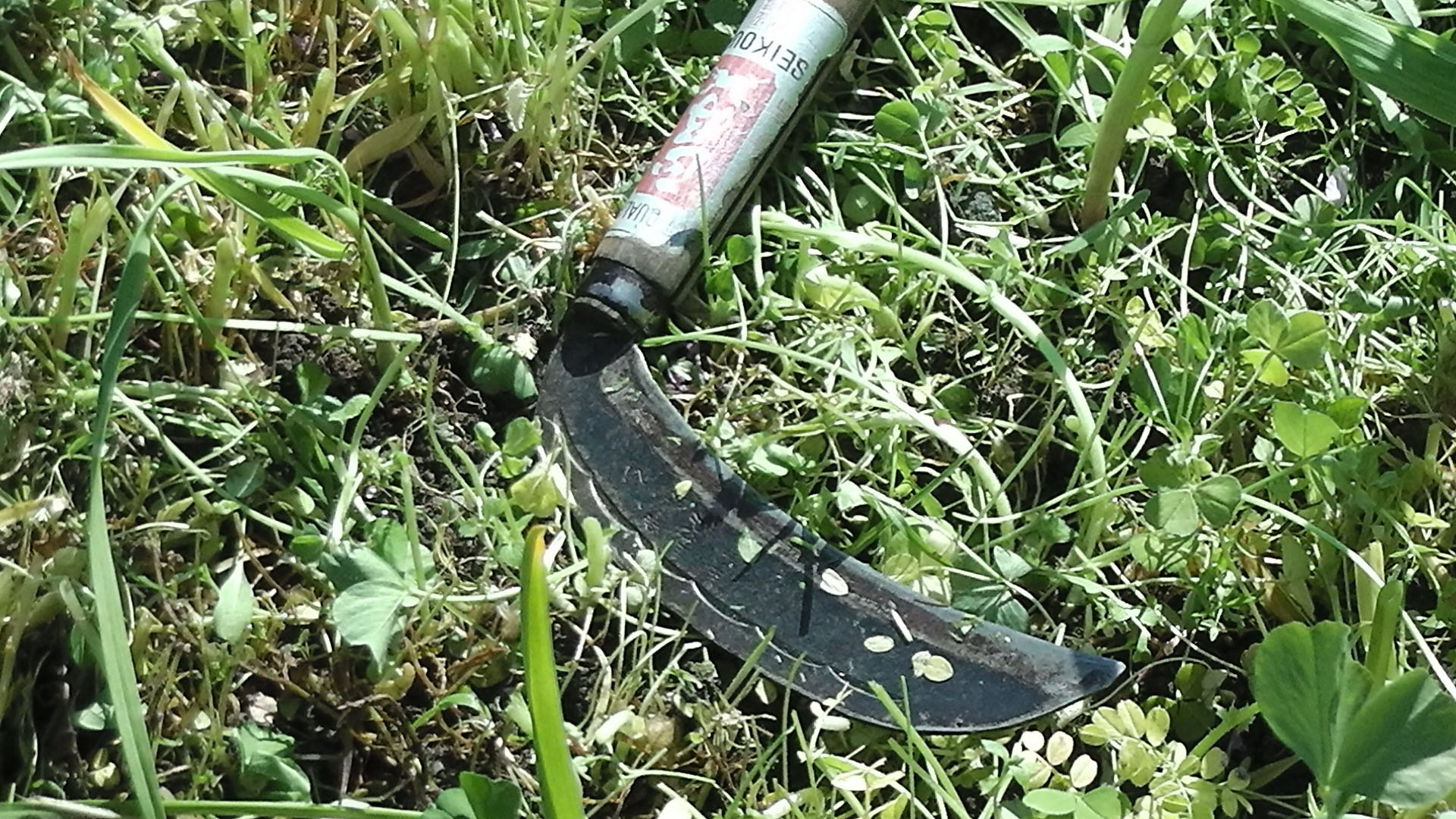
 No-till transplanting is even less work. We are scything down the cover crop and making small holes for our transplants such as kale, cabbage, broccoli and cauliflower…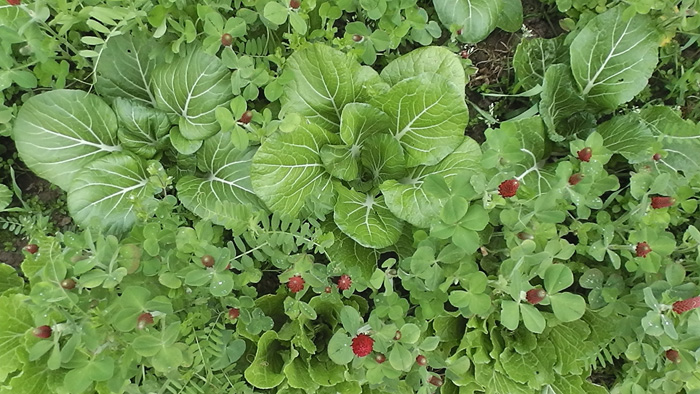




 Good Earth - hands on learning centre for natural living